The Connection Between Water Damage and Mold Growth
The Connection Between Water Damage
and Mold Growth
Gainesville, VA
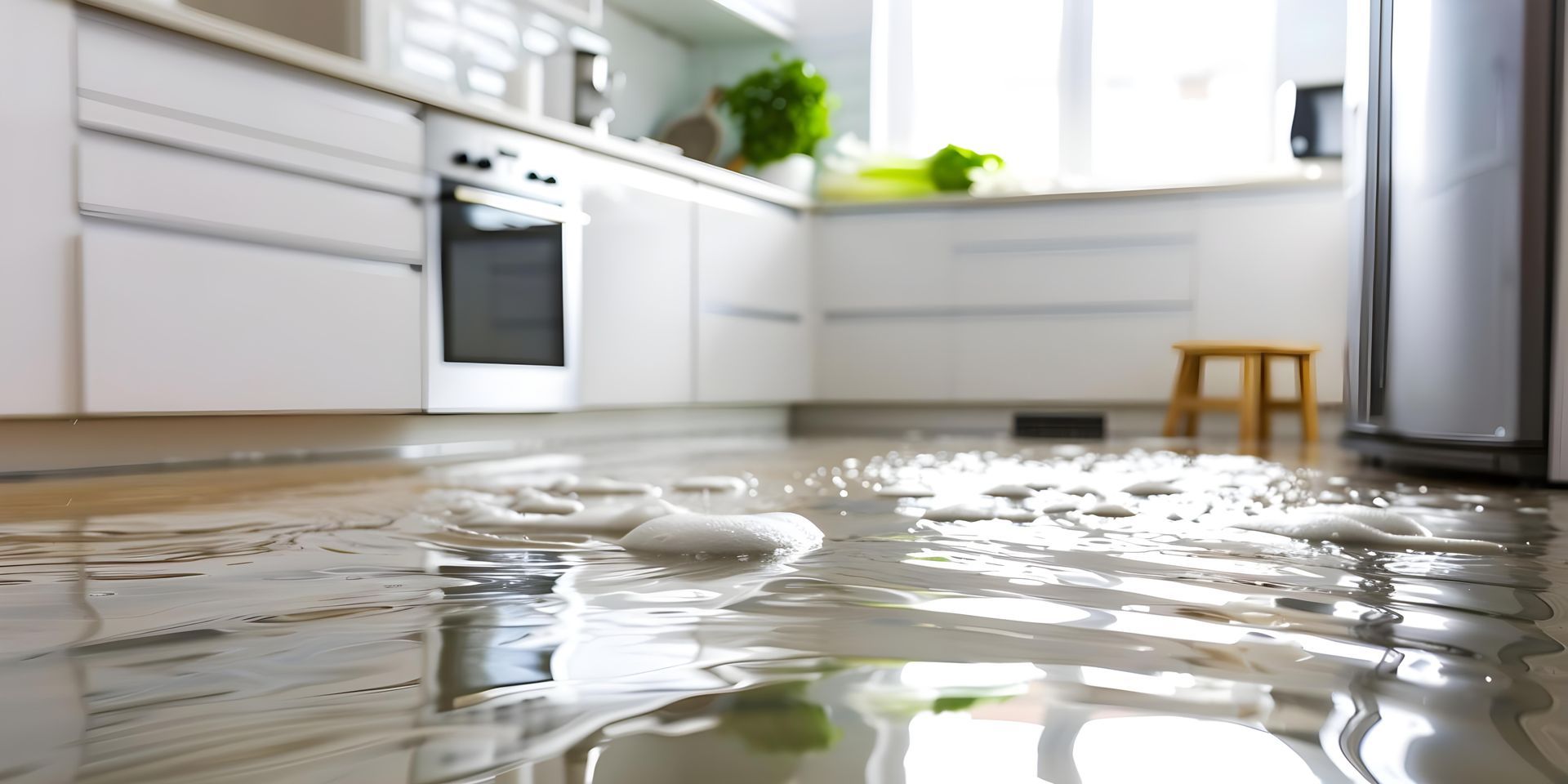
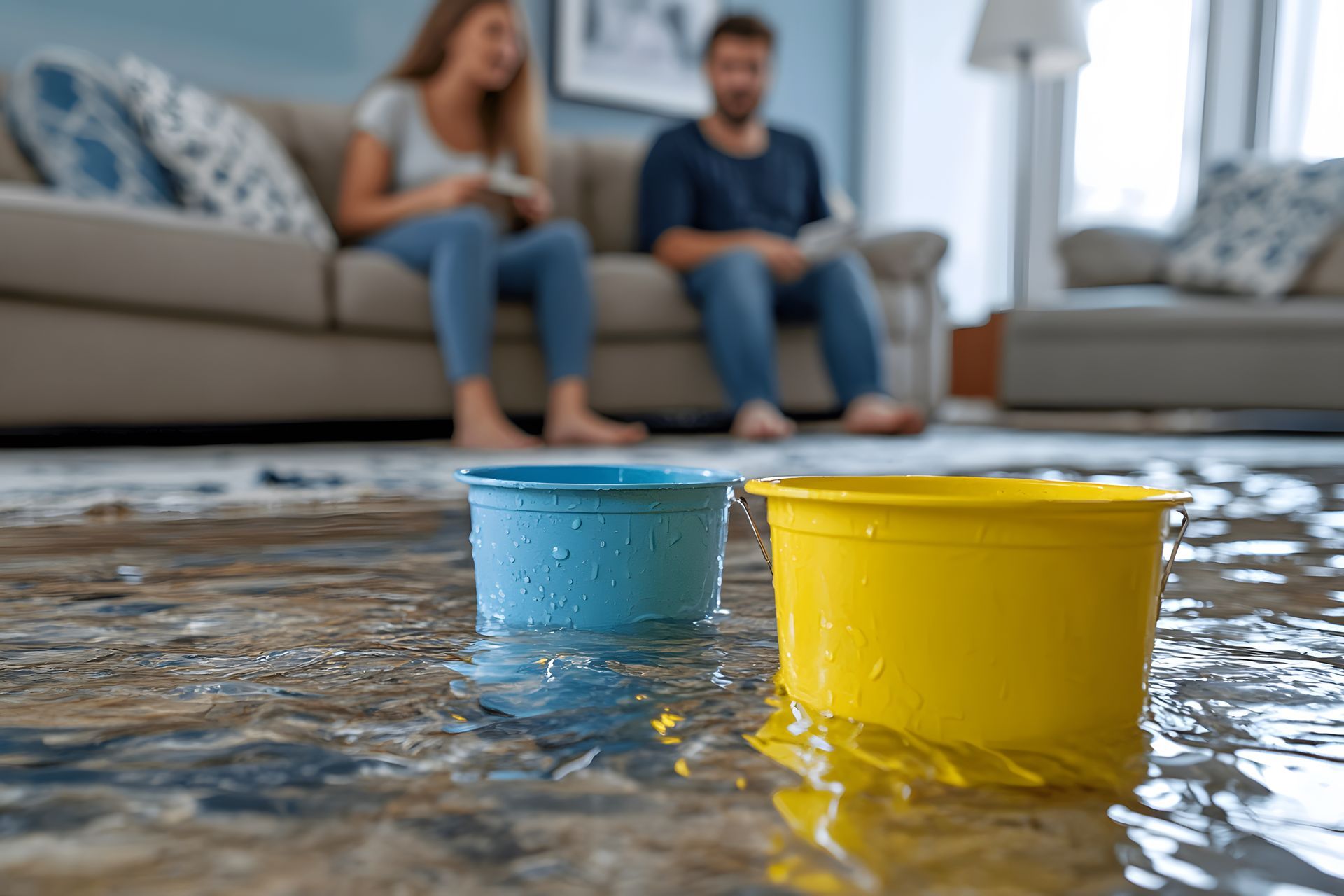
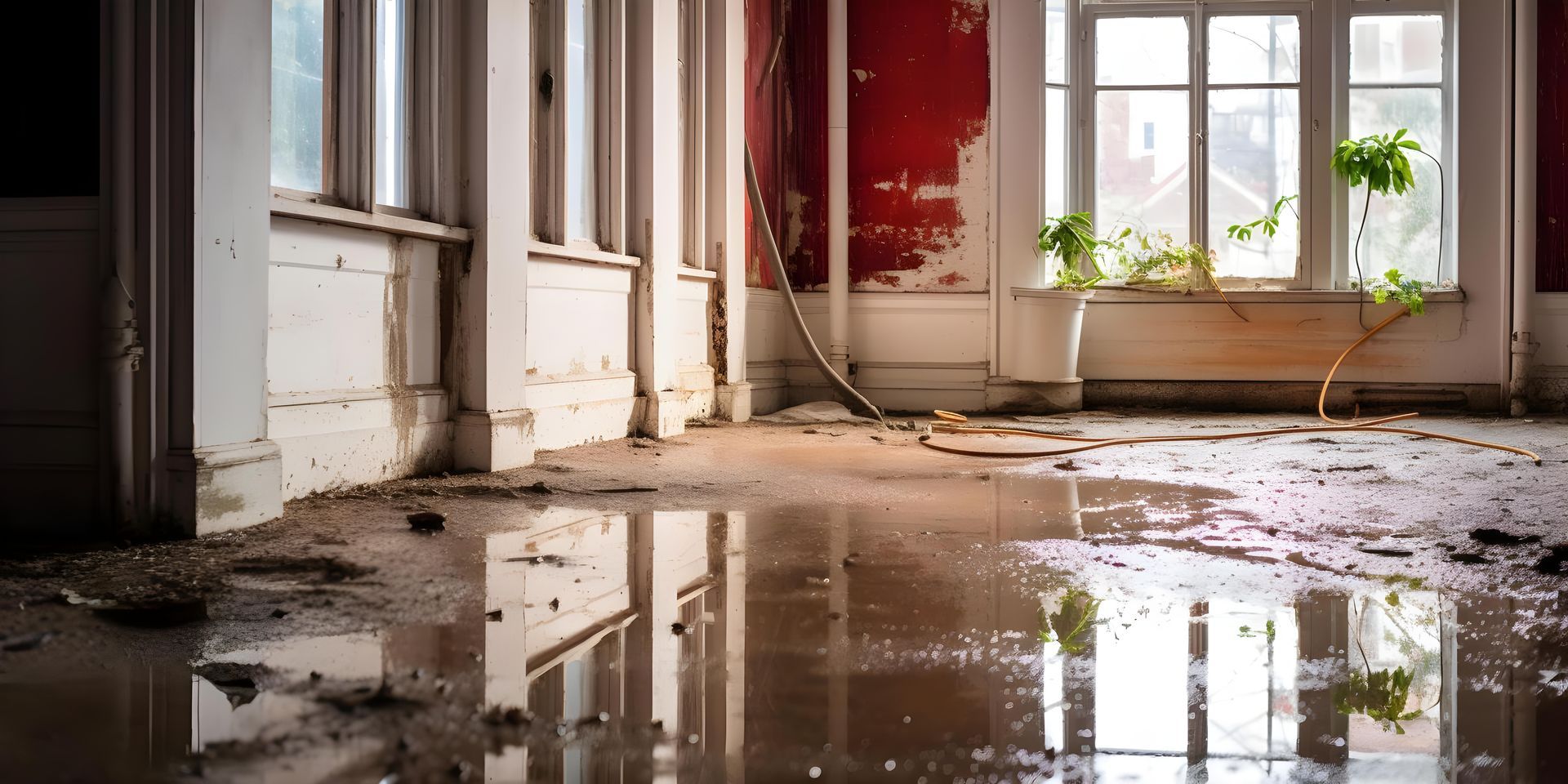
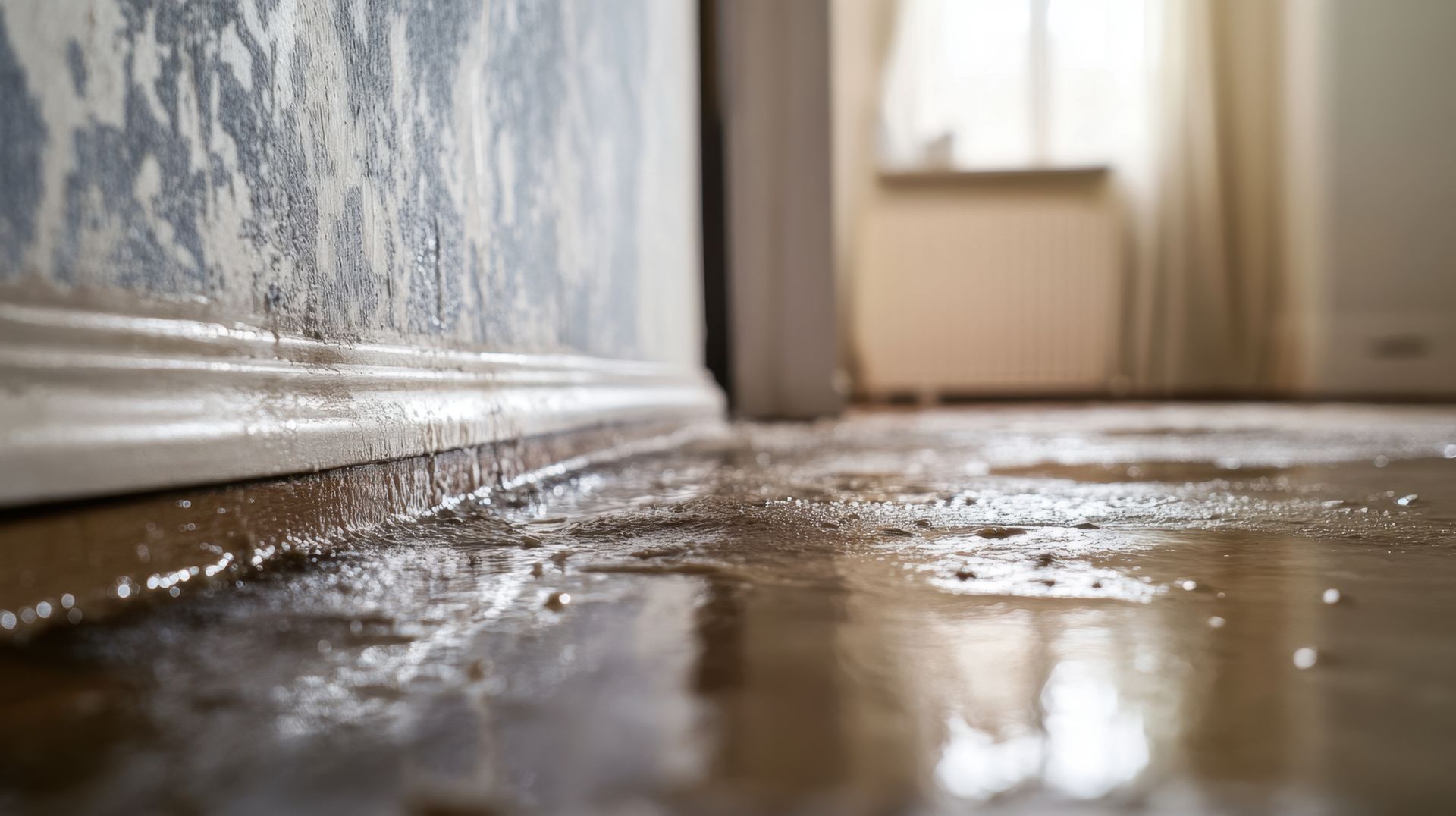
Water damage and mold go hand in hand. When moisture is left untreated, mold can begin to develop quickly, turning a manageable problem into a serious health and structural concern.
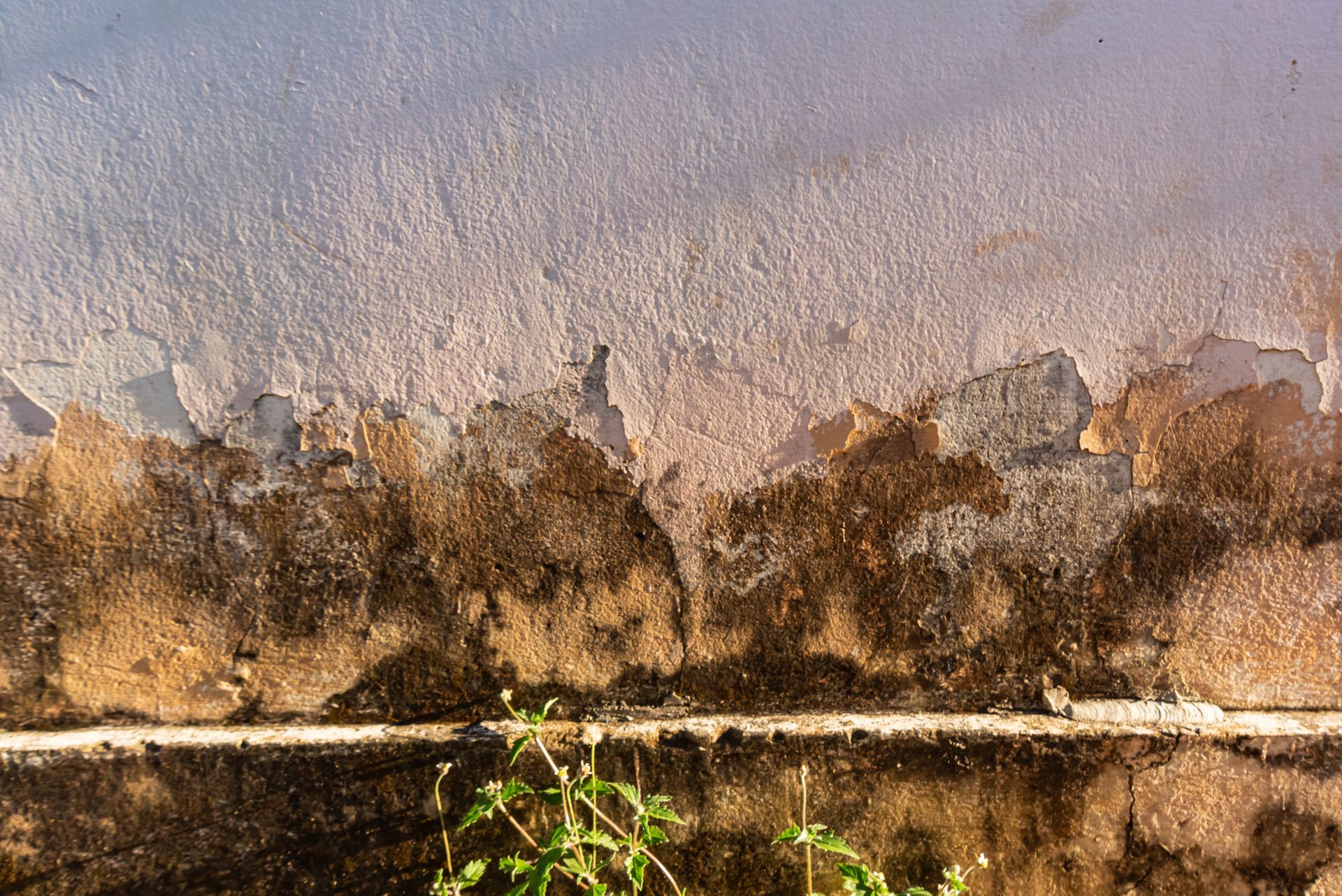
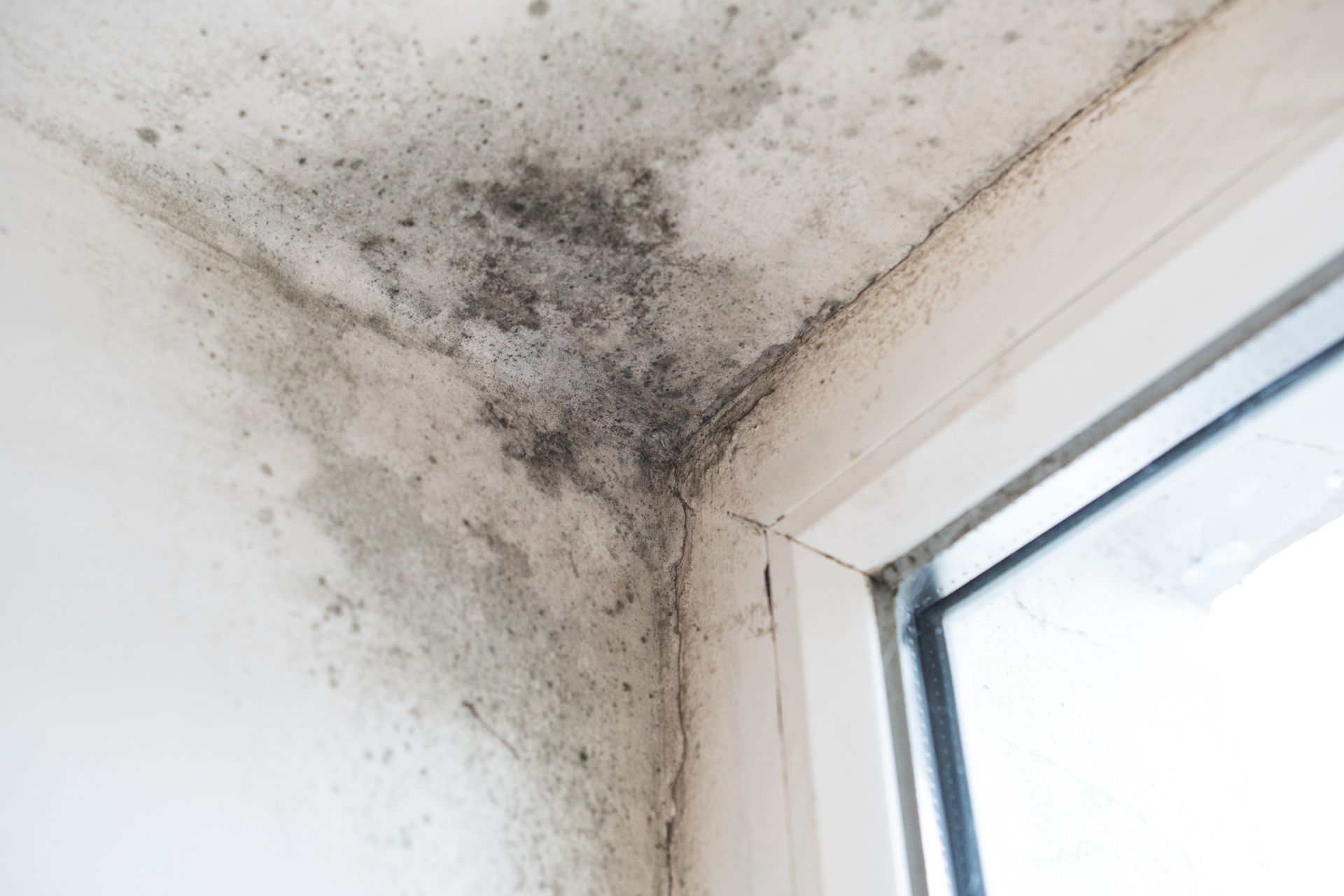
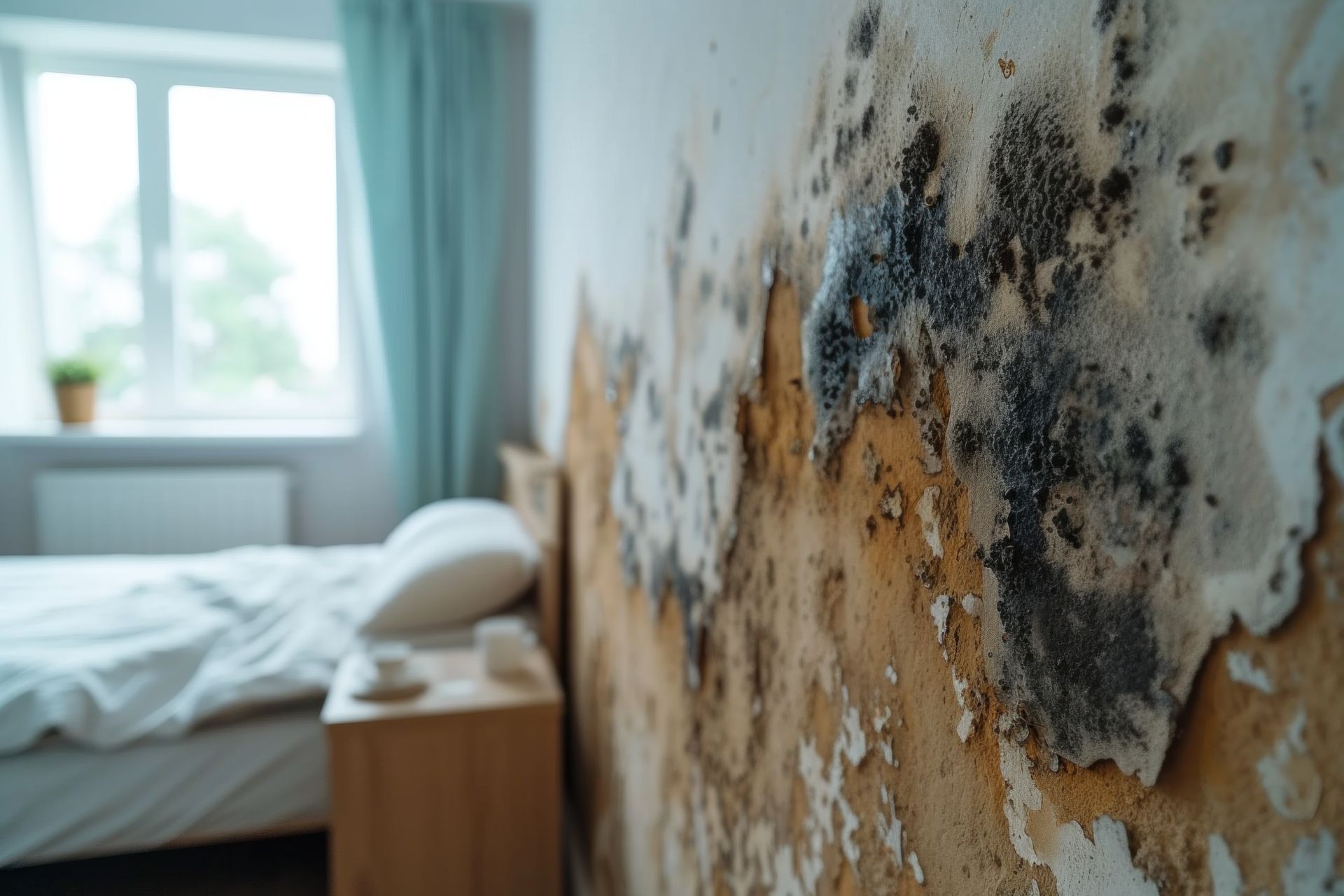
Mold spores are naturally present in the air, but they require moisture to grow. When water damage occurs, it creates the perfect environment for mold to thrive. Within 24 to 48 hours, mold can begin forming on damp surfaces, especially in hidden areas like behind walls and under flooring.
The presence of mold can have significant health implications. It can cause respiratory issues, allergic reactions, and worsen conditions like asthma. In addition, mold can produce unpleasant odors that make your home uncomfortable.
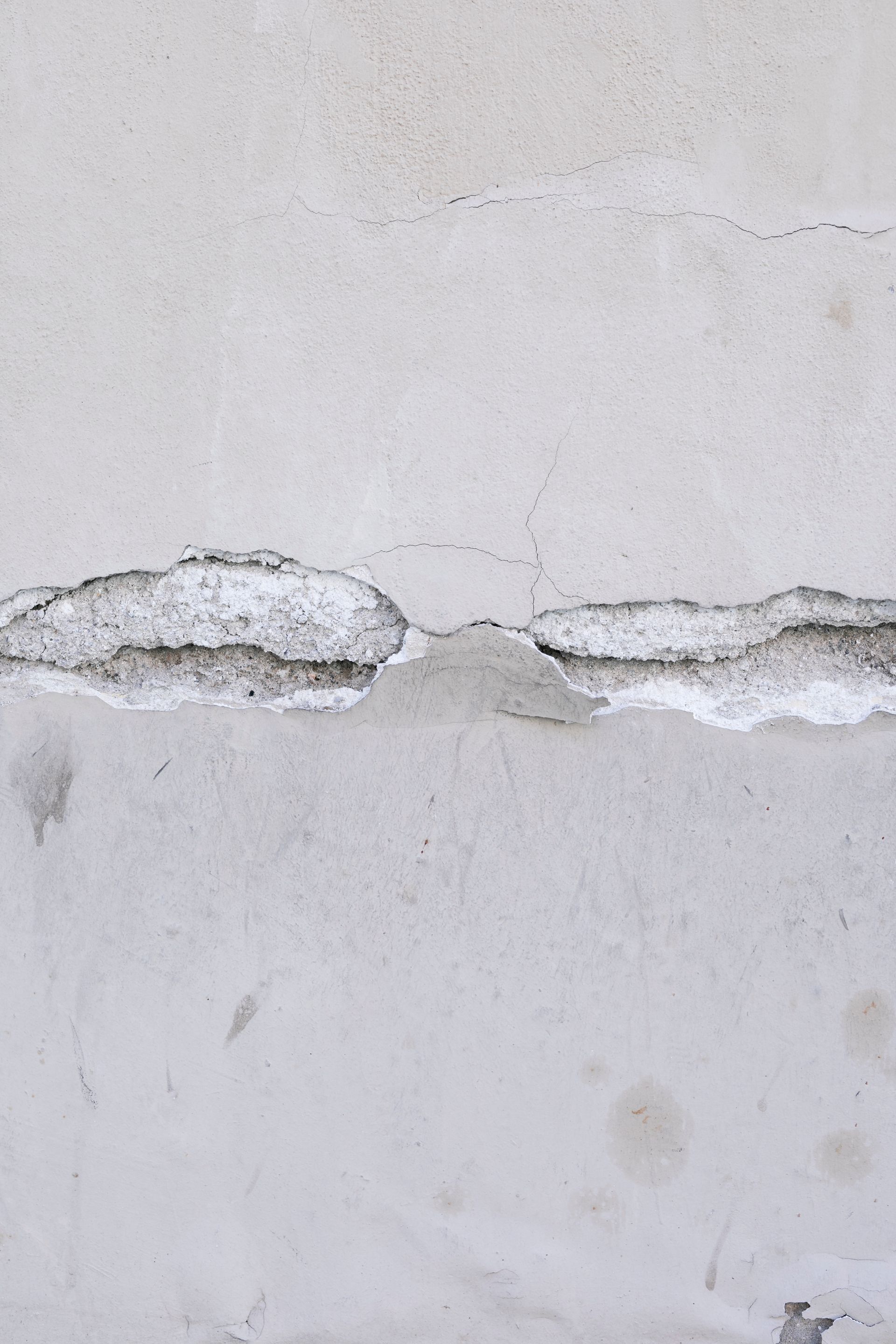
Beyond health concerns, mold can also damage your property. It feeds on organic materials such as wood and drywall, weakening the structure over time. Left untreated, mold can spread throughout your home, making restoration more complex and costly.
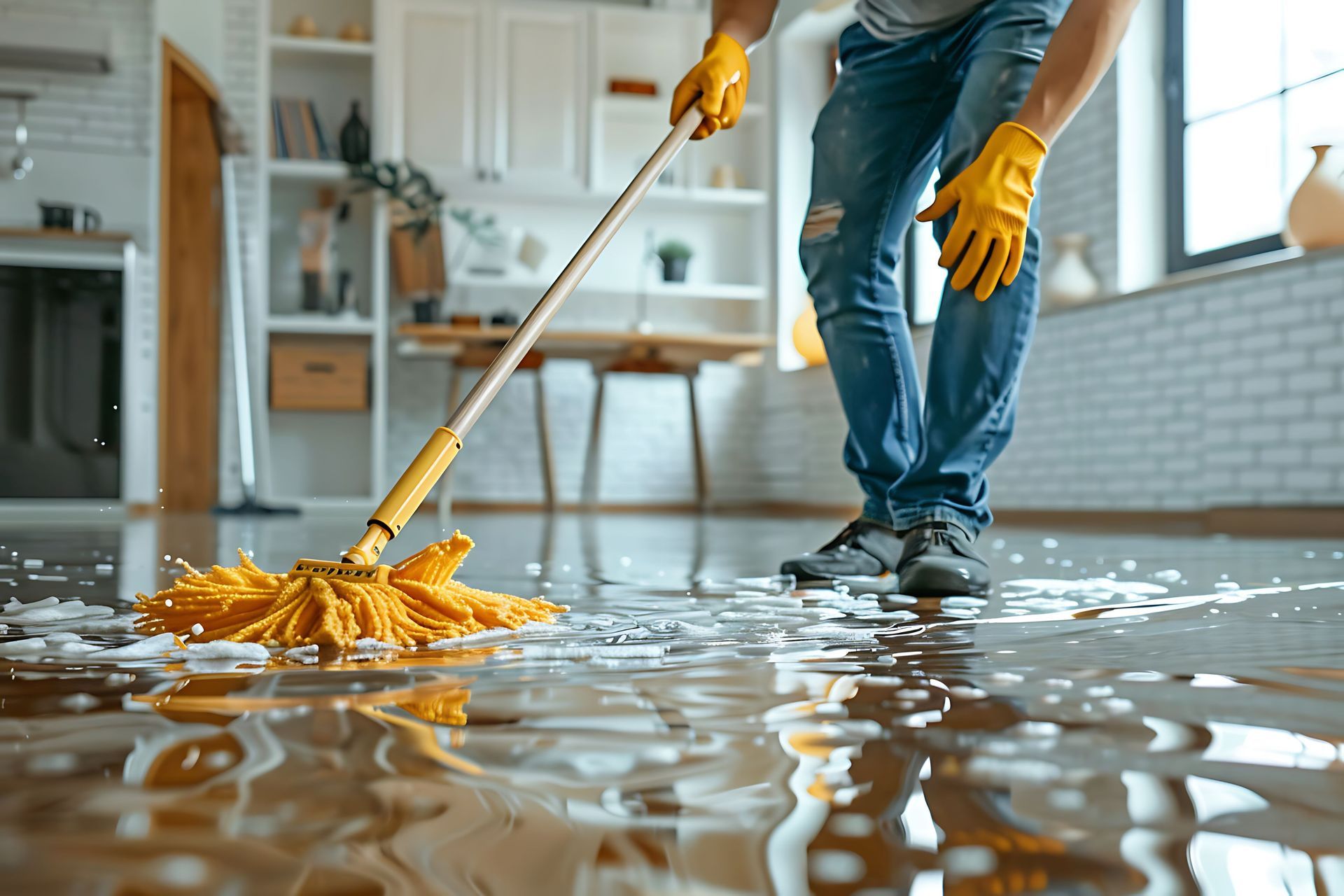
Preventing mold growth starts with addressing water damage immediately. This includes removing standing water, thoroughly drying affected areas, and using dehumidifiers to reduce moisture levels. Proper ventilation is also important to prevent humidity buildup.
However, DIY methods are often not enough to fully eliminate moisture and prevent mold. Hidden moisture can remain trapped in building materials, creating conditions for mold to return.
Professional restoration services play a critical role in preventing and addressing mold growth. At Anthony Restoration of Gainesville, trained technicians use advanced equipment to detect hidden moisture and ensure complete drying. Their services also include mold detection, remediation, and prevention strategies.
The key takeaway is simple: water damage should never be ignored. Even small leaks can lead to mold if left untreated.
By acting quickly and working with professionals, homeowners can protect their health and prevent long-term damage.