Practical Upgrades That Stop the Next Emergency
Practical Upgrades That Stop the
Next Emergency
Preventing Water Damage in Gainesville, VA
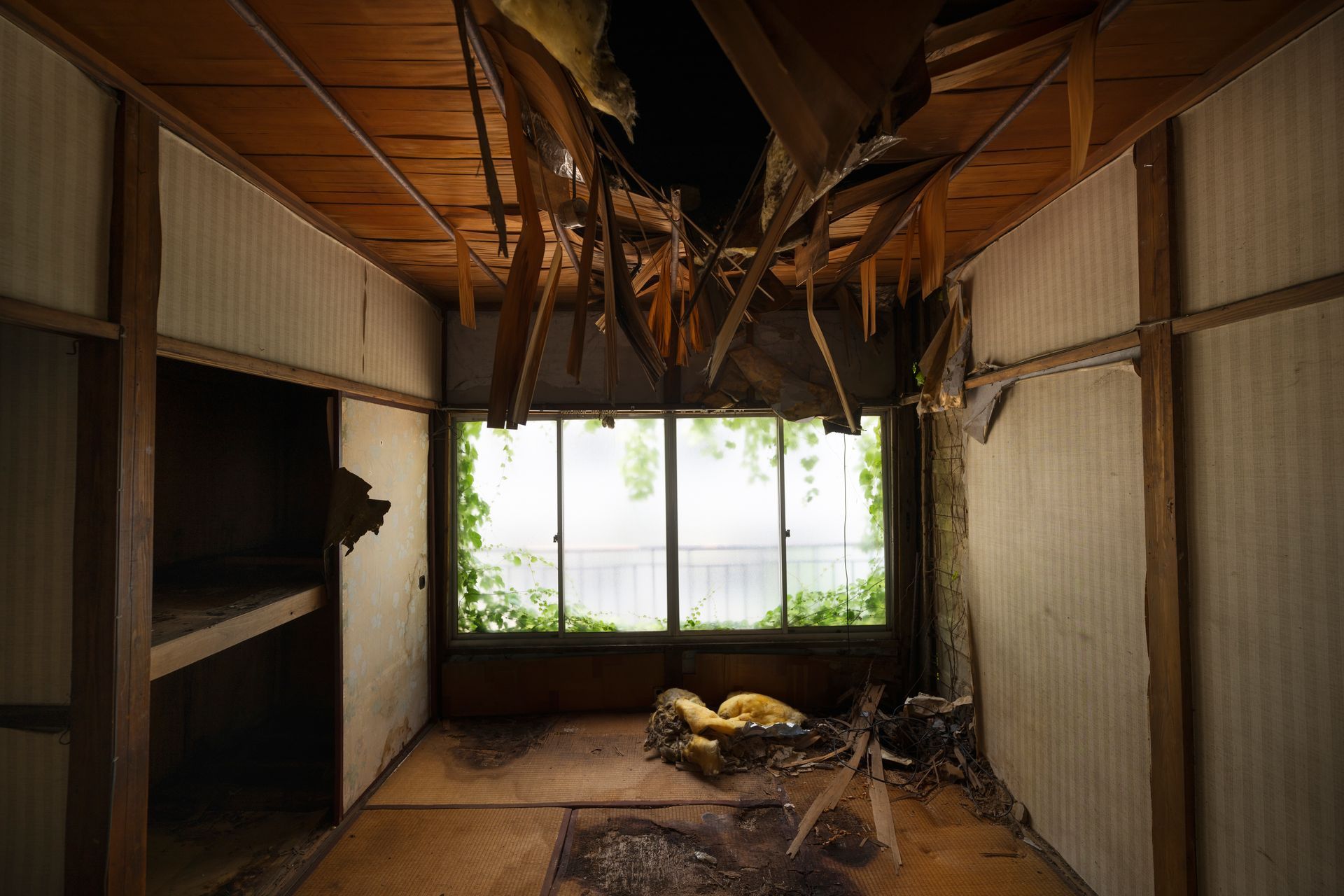
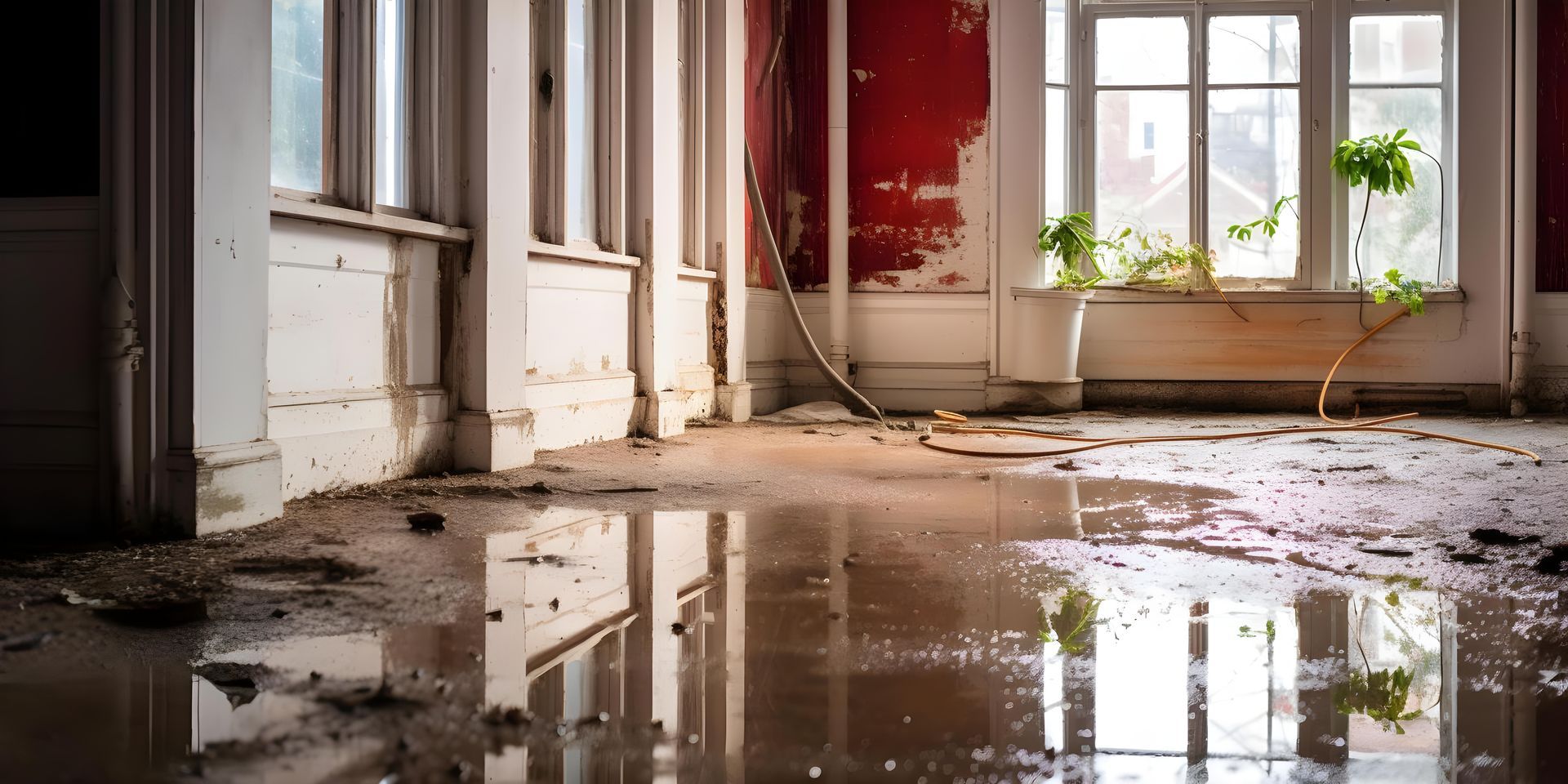
Most water damage emergencies have one thing in common: they were preventable. That doesn’t mean every storm or failure can be avoided—but it does mean a few simple upgrades and habits can drastically reduce your risk of another surprise leak.
If you’ve ever dealt with water damage before, this checklist is built for you.
1) Replace “small” parts that cause big water damage
Some of the most destructive water damage comes from inexpensive components:
- Washing machine hoses (upgrade to braided steel)
- Refrigerator water lines
- Under-sink shutoff valves that won’t fully close
- Old caulk and grout lines around tubs/showers
Replacing these proactively costs far less than drying floors and rebuilding walls.
2) Keep water moving away from your home
Water damage often starts outside:
- Clean gutters and confirm downspouts discharge away from the foundation
- Regrade soil where water pools near exterior walls
- Repair failing window or door seals
- Check roof flashing after major storms
A little water at the foundation today can turn into basement water damage tomorrow.
3) Know your shutoffs before you need them
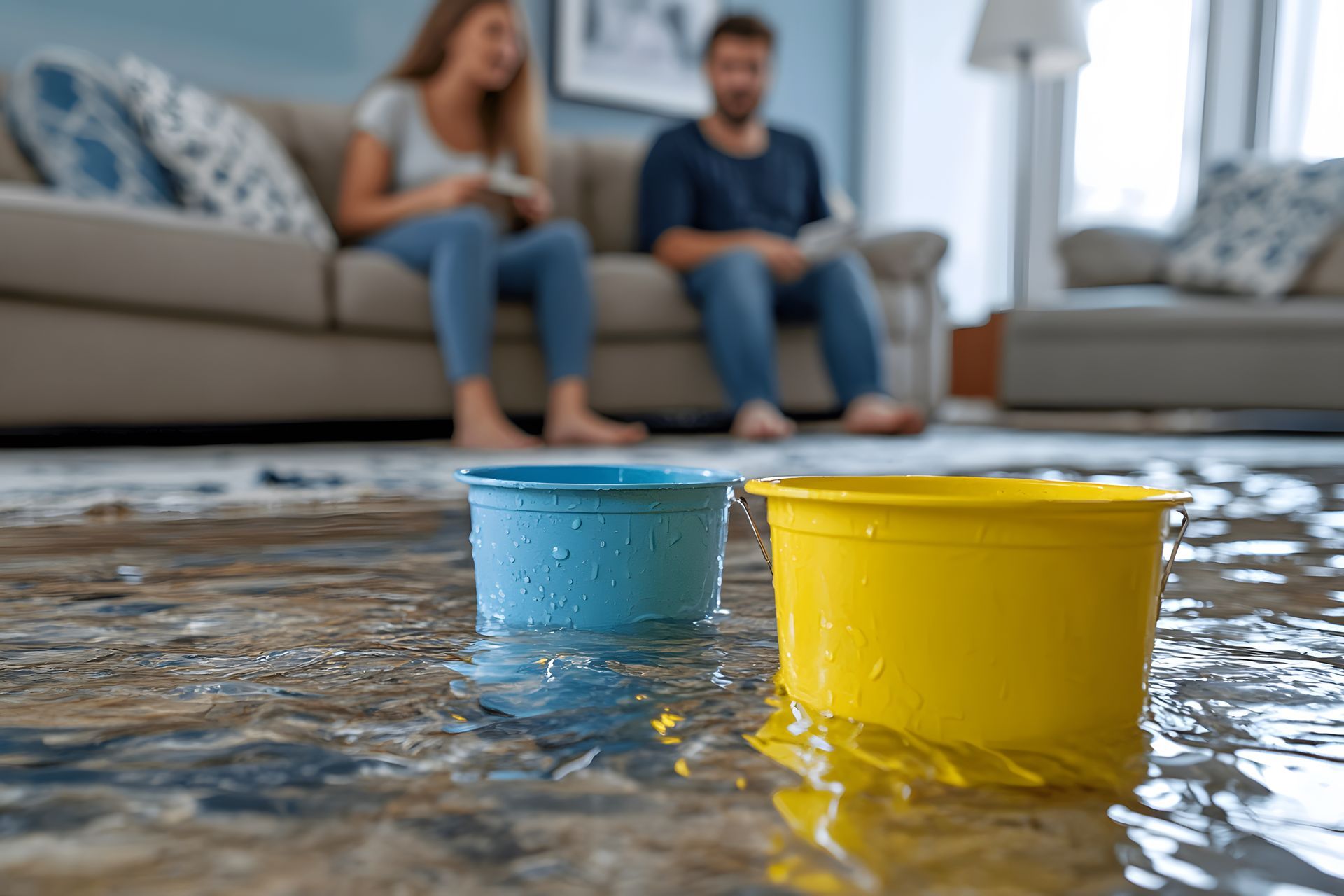
In a true water damage emergency, seconds matter. Make sure everyone in the home knows:
- Where the main water shutoff is
- How to shut off toilets and sinks locally
- Where the breaker is (in case water reaches electrical areas)
4) Watch for hidden water damage warning signs
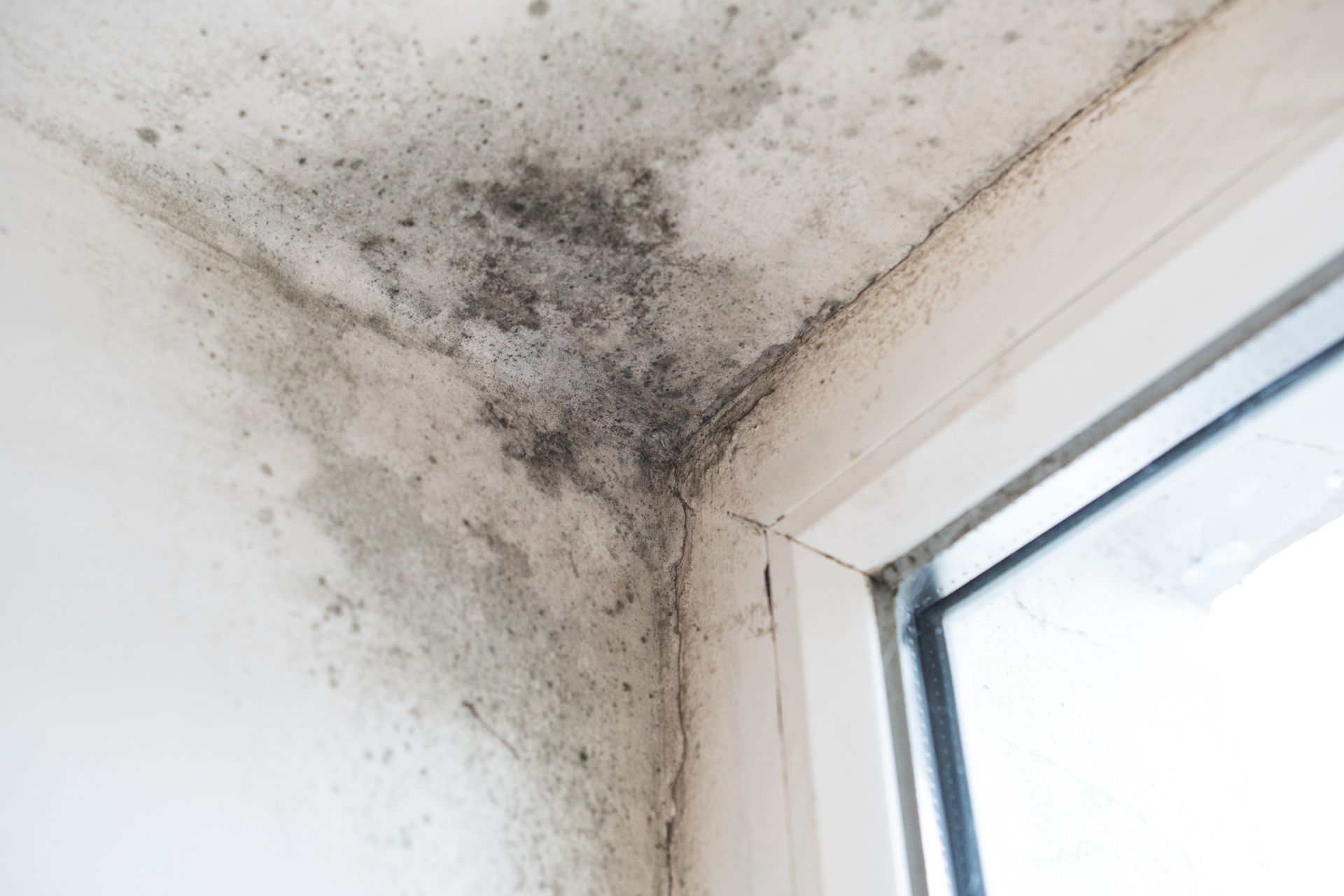
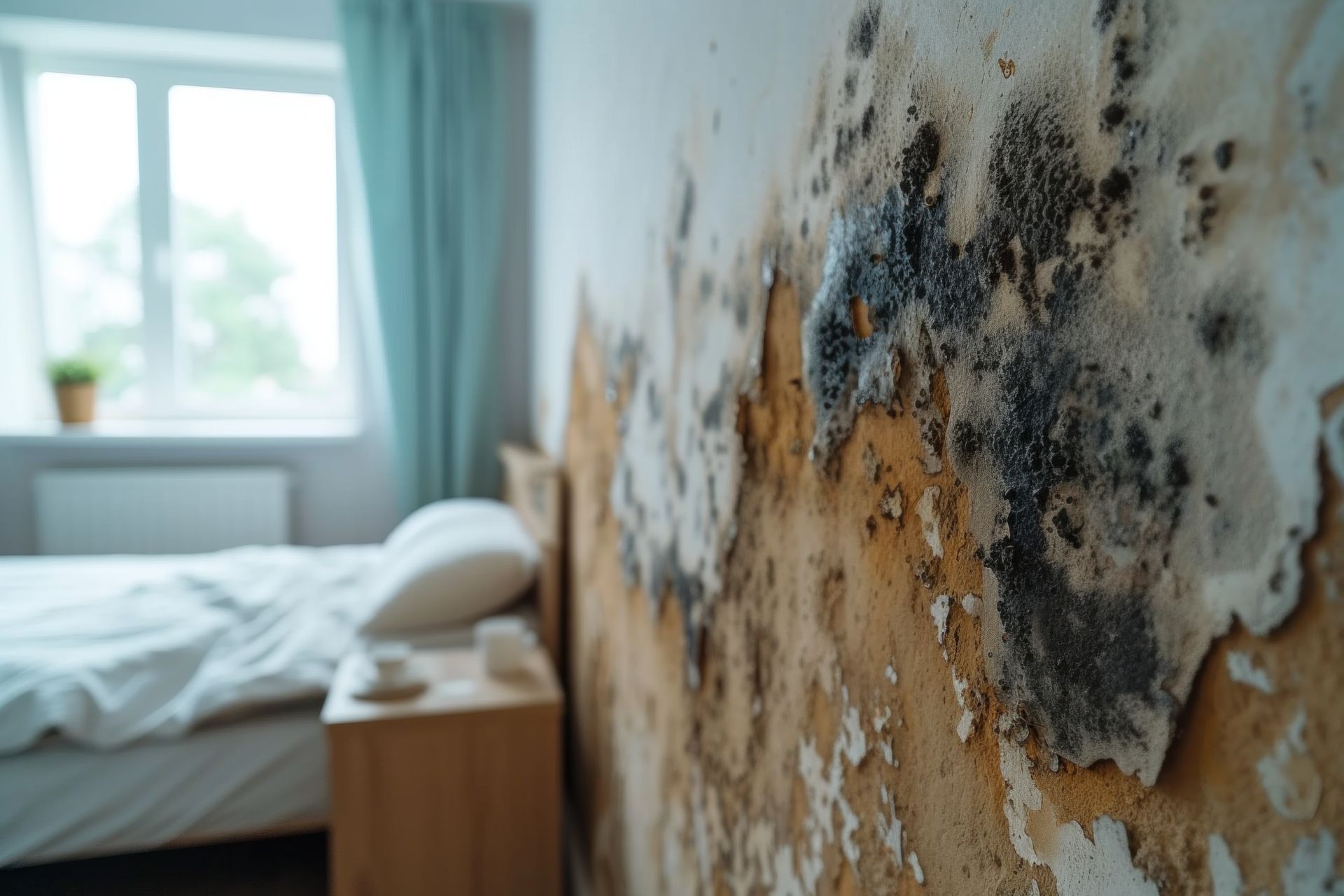
Don’t wait for a major event. Early signs include:
- Musty smells
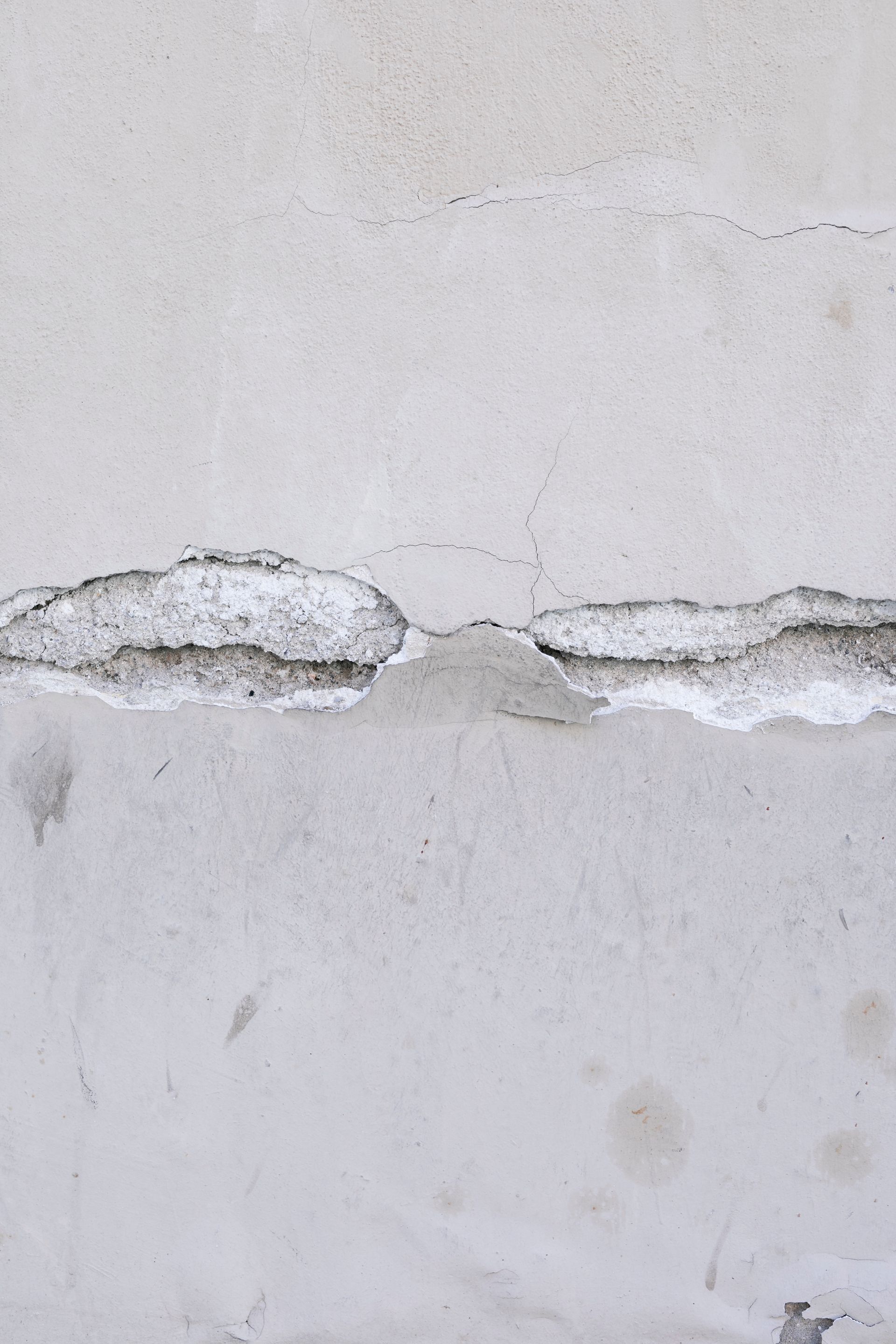
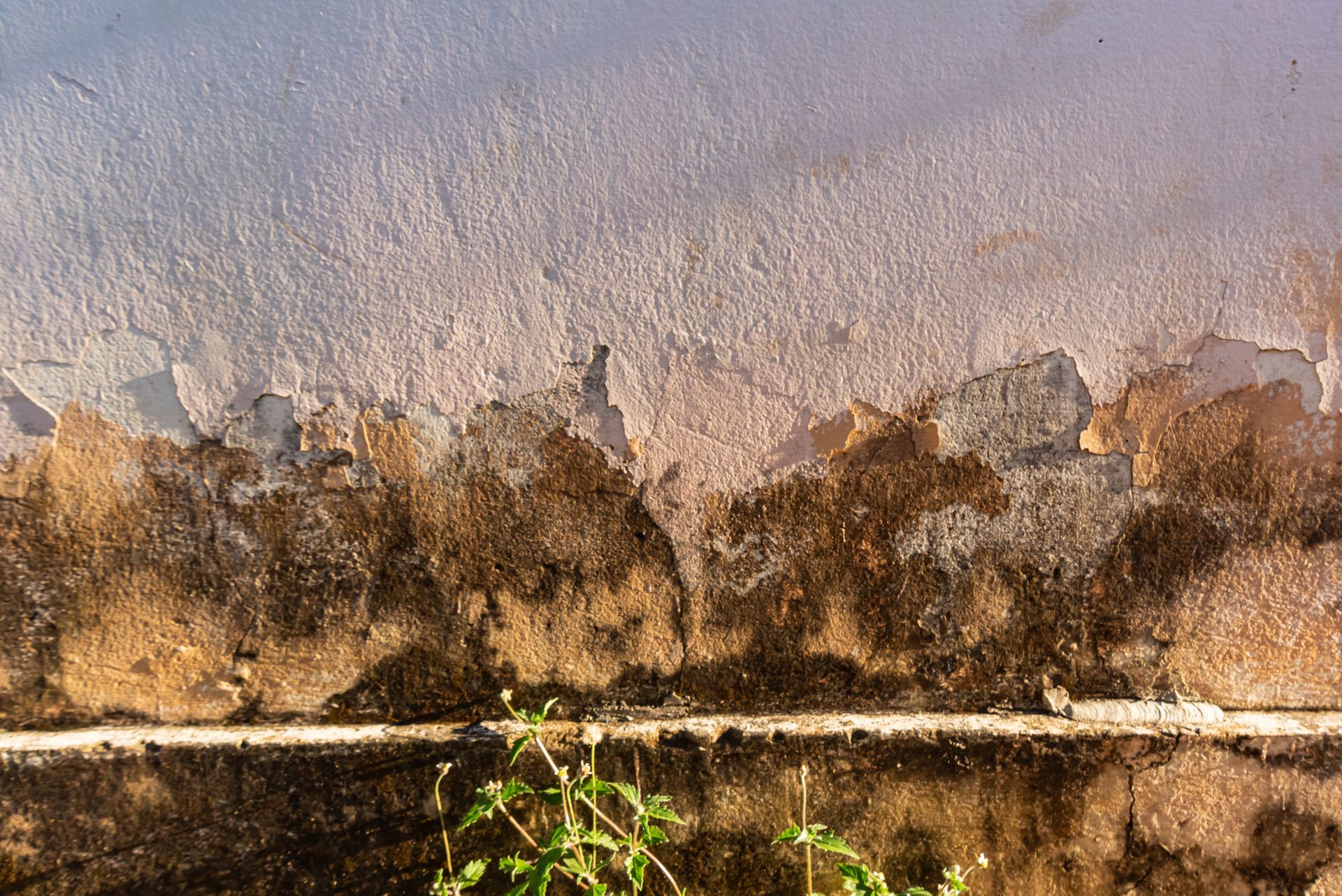
- Bubbling paint or swollen baseboards
- Warping floors
- Stains that reappear after rain
- A sudden increase in the water bill
These often point to moisture behind the surface.
5) Have a restoration plan for when prevention isn’t enough
Even with great prevention, pipe failures and storm events happen. Anthony Restoration of Gainesville emphasizes full-service water damage restoration and 24/7 response on its site and blog content.
The takeaway
Preventing water damage is about removing weak points (hoses, seals, drainage), spotting early warning signs, and acting quickly when moisture shows up. A prevention mindset today helps you avoid major disruption tomorrow.