The Connection Between Water Damage and Mold Growth
The Connection Between Water Damage and Mold Growth -Gainesville, VA
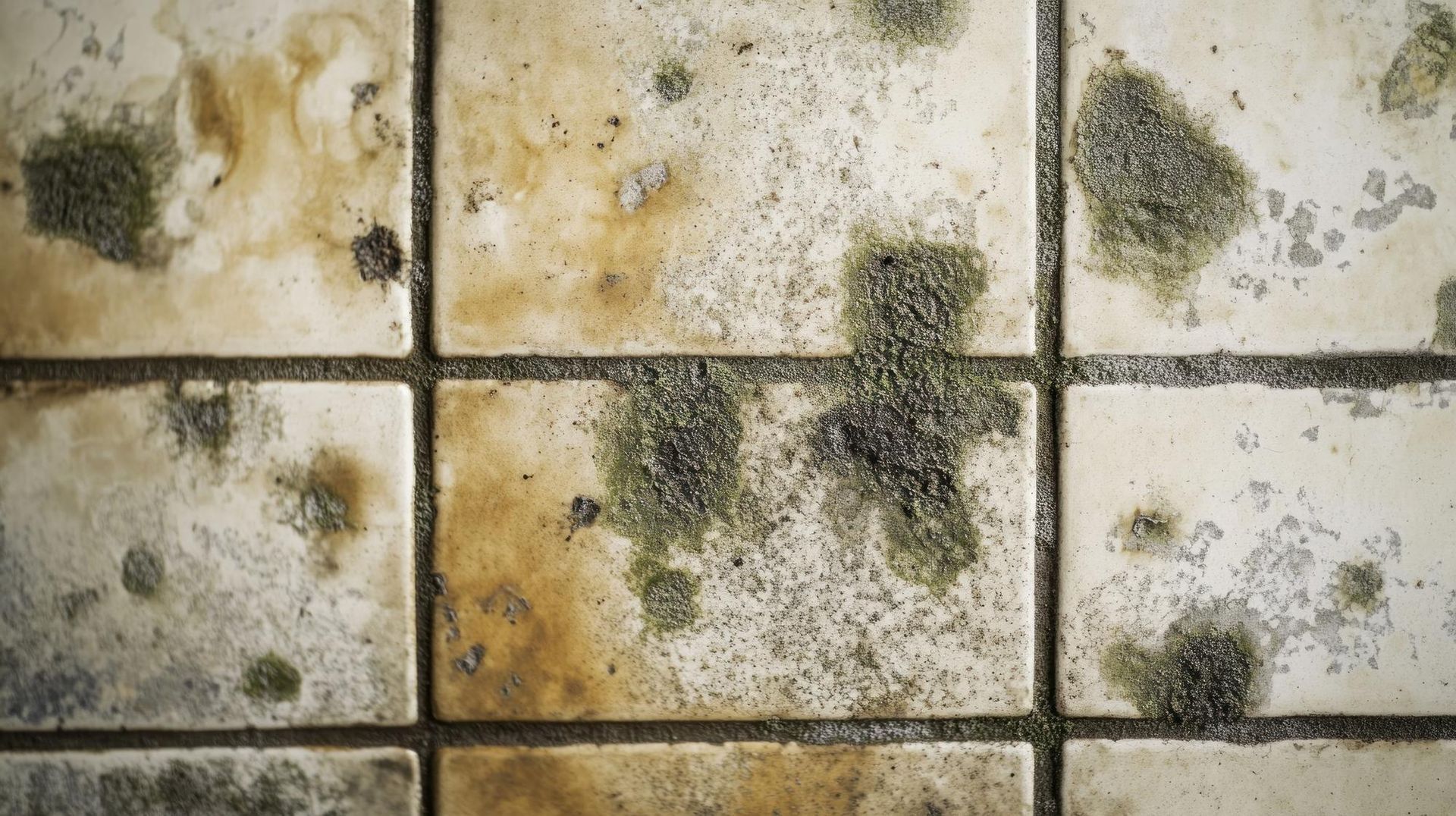
Water damage is more than just an inconvenience—it can quickly lead to serious structural problems and health hazards. One of the most dangerous consequences of untreated water damage is mold growth. At Anthony Restoration of Gainesville, we’ve helped countless homeowners and business owners deal with water damage and the mold problems that often follow. Understanding how mold develops and how to prevent it can help you protect your property and your health.
How Water Damage Leads to Mold Growth
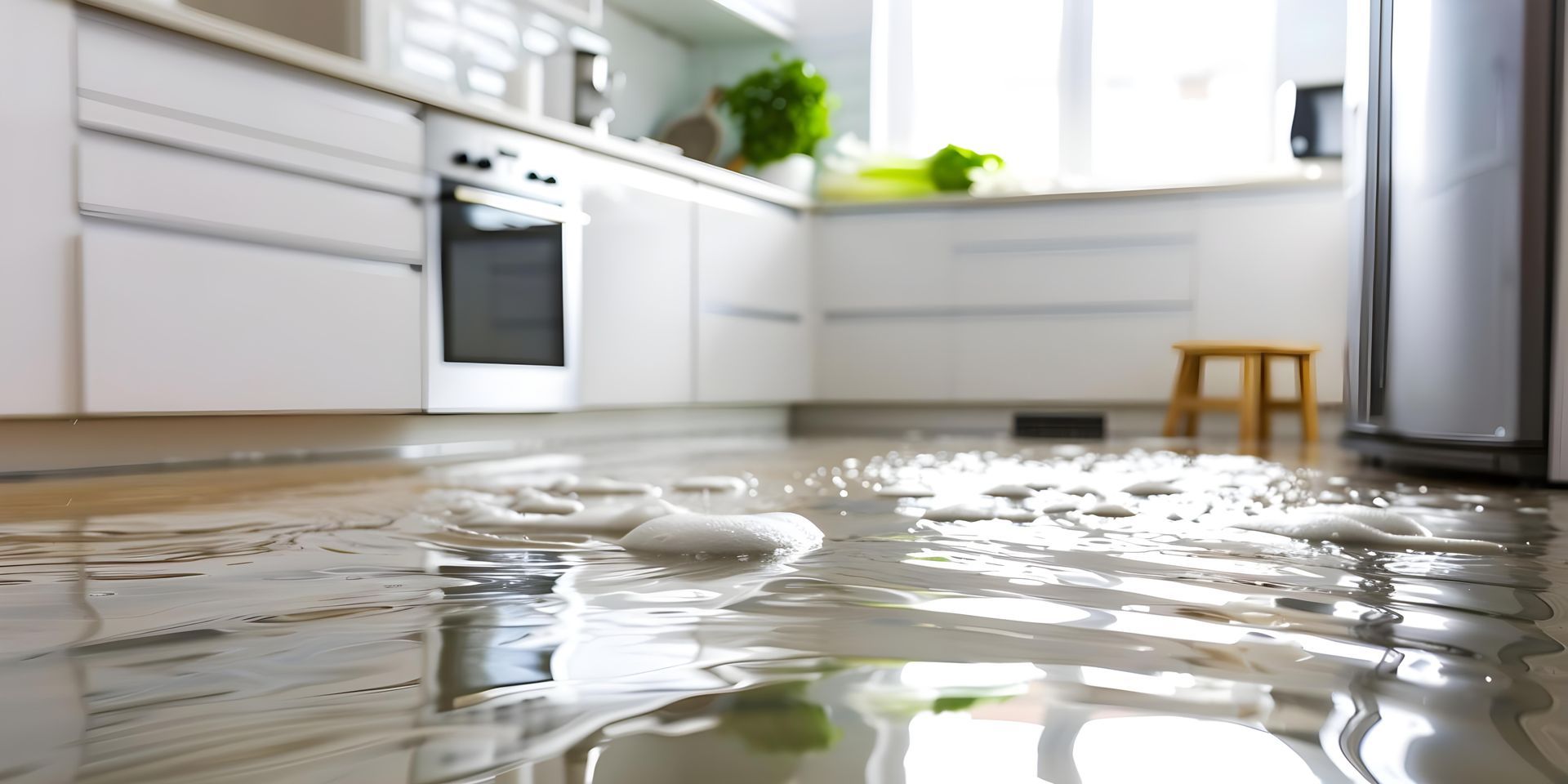
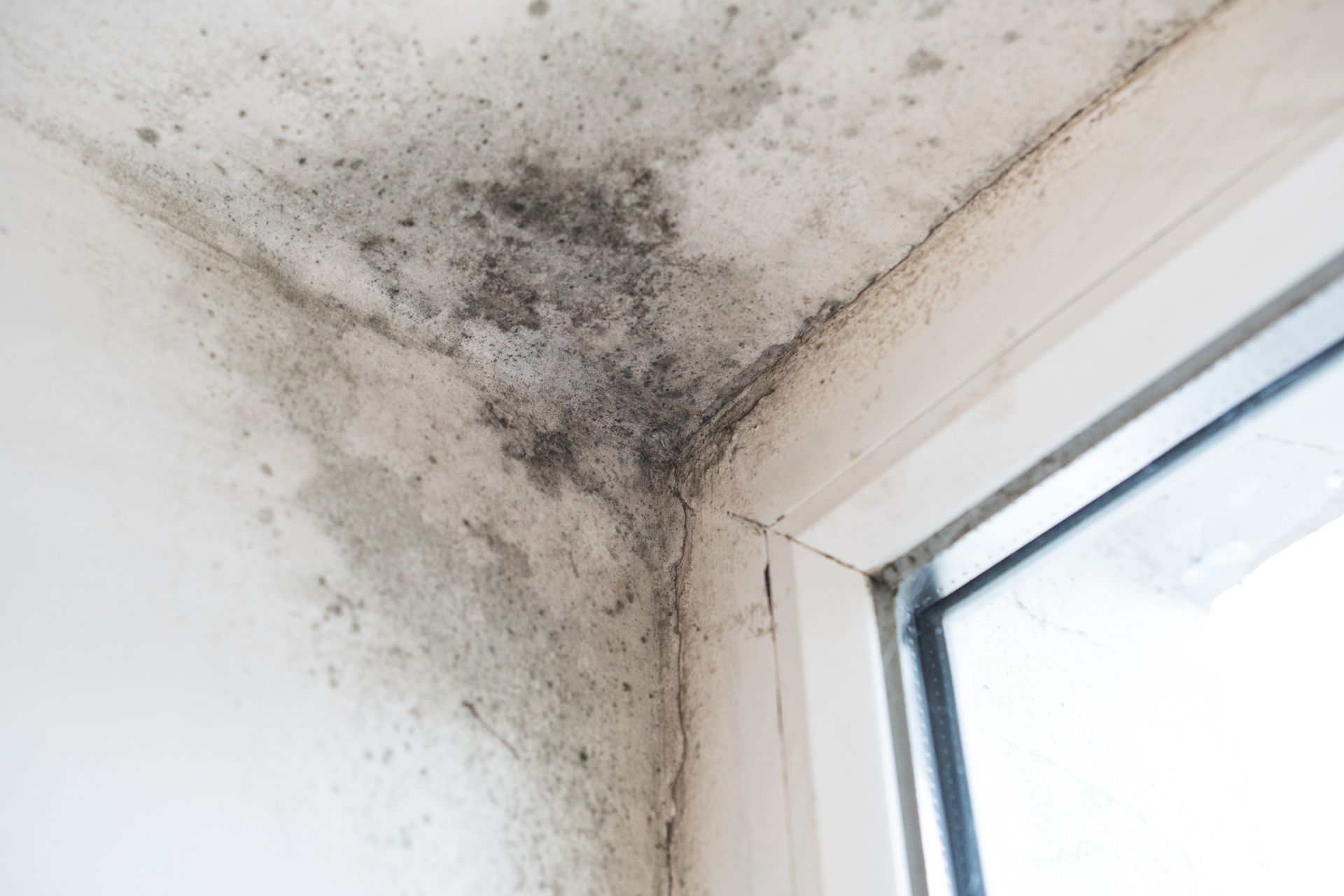
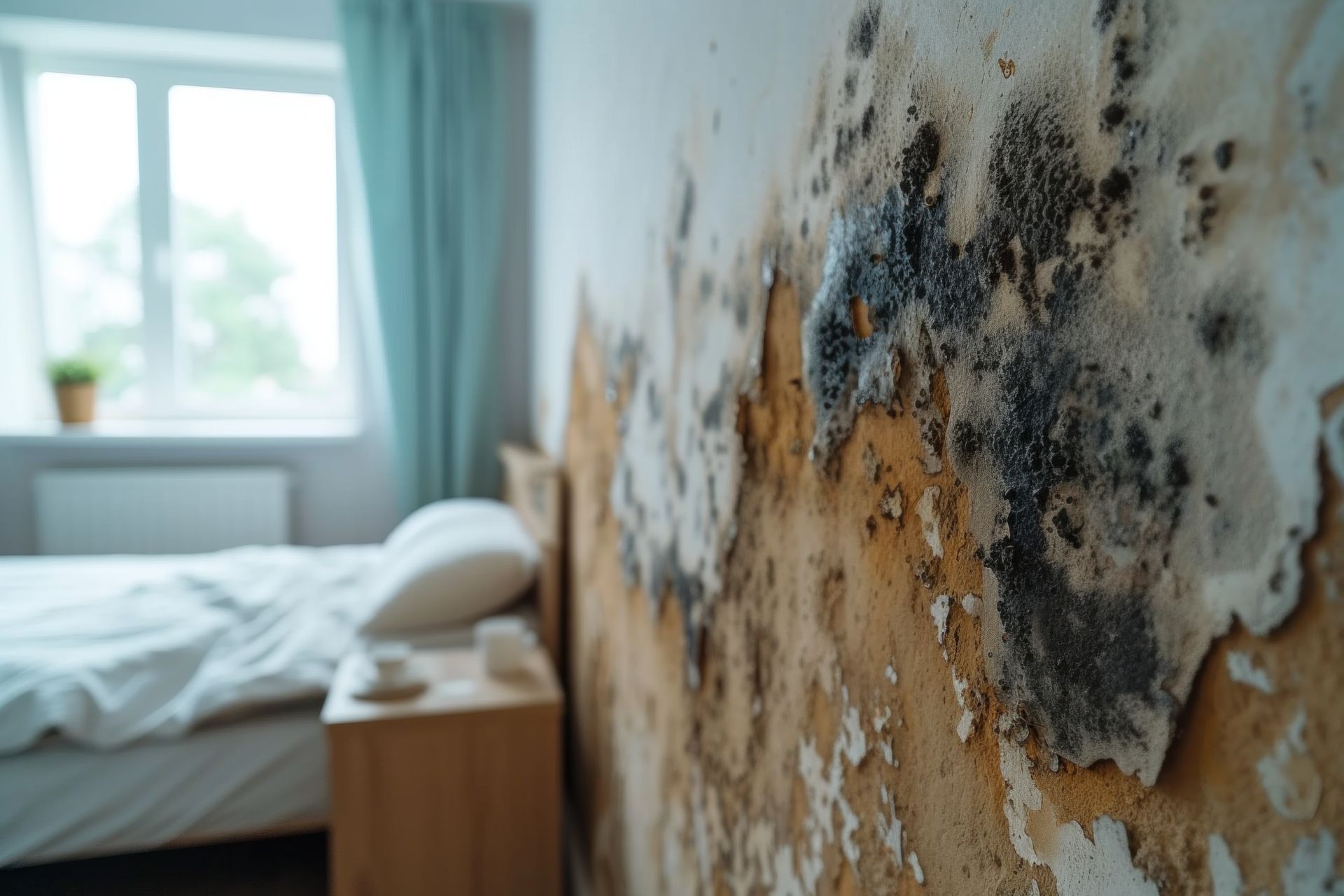
Mold spores are always present in the air, but they need moisture, warmth, and an organic surface to grow. Water damage provides the perfect breeding ground for mold, especially in areas that remain damp for extended periods.
The Mold Growth Timeline
- Within 24-48 Hours: Mold spores start settling and attaching to damp surfaces.
- Within 3-7 Days: Visible mold growth begins, spreading rapidly.
- After 7 Days: Mold colonies expand, releasing spores into the air and contaminating nearby areas.
The longer water sits, the higher the risk of widespread mold contamination, which is why immediate action is critical.
Common Areas Where Mold Develops After Water Damage
Mold growth is most common in areas affected by leaks, flooding, or high humidity. Watch out for:
- Basements and crawl spaces – These areas are prone to moisture buildup.
- Bathrooms and kitchens – Leaky pipes and steam can create ideal mold conditions.
- Attics and ceilings – Roof leaks often go unnoticed until mold appears.
- Behind walls and under flooring – Hidden leaks can cause mold growth in unseen areas.
The Health Risks of Mold Exposure
Exposure to mold can cause serious health issues, especially for children, the elderly, and those with respiratory conditions. Symptoms of mold exposure include:
- Chronic coughing and sneezing
- Skin irritation and rashes
- Sinus congestion and sore throat
- Aggravated asthma or lung issues
If you suspect mold growth in your home, do not attempt to clean it yourself—disturbing mold can release more spores into the air.
How to Prevent Mold Growth After Water Damage
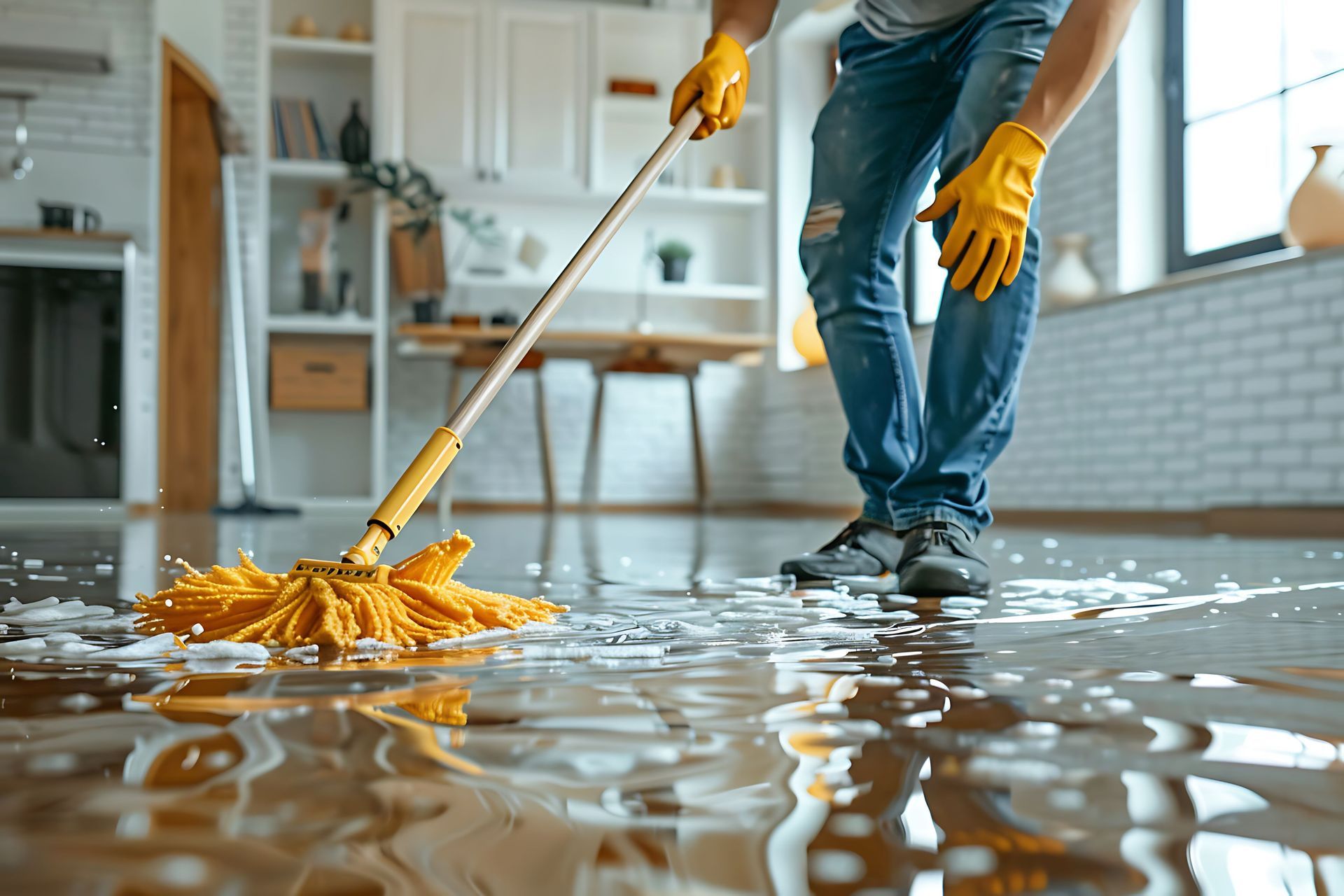
- Act Quickly – Remove standing water and dry affected areas immediately.
- Increase Airflow – Use fans and dehumidifiers to reduce moisture levels.
- Inspect for Hidden Moisture – Check behind walls, under floors, and in ceilings.
- Disinfect Surfaces – Use antimicrobial treatments to prevent mold spores from spreading.
- Call a Professional – If mold has already developed, professional mold remediation is necessary.
How Anthony Restoration of Gainesville Can Help
At Anthony Restoration of Gainesville, we specialize in water damage restoration and mold remediation. Our team is trained to detect, remove, and prevent mold growth after water damage. Our services include:
- Emergency water extraction and drying
- Advanced mold detection and remediation
- Structural repairs and restoration
- Odor removal and air purification
Do not let water damage turn into a mold problem. If you suspect water damage or mold growth in your home or business, contact Anthony Restoration of Gainesville today for a professional inspection and fast restoration.
Call us now for 24/7 emergency service.